

The Story Behind the Workaid Logo: Tools Meet Purpose
The first logo for Workaid, a woman tilling a field watched by her child, was designed by Jean Winter.
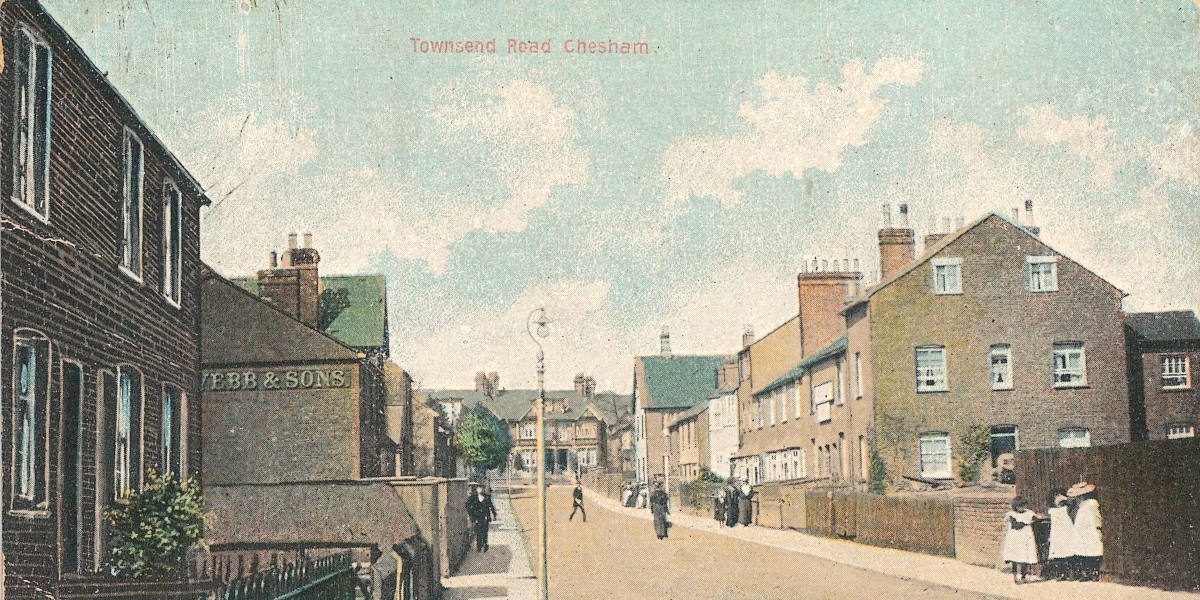
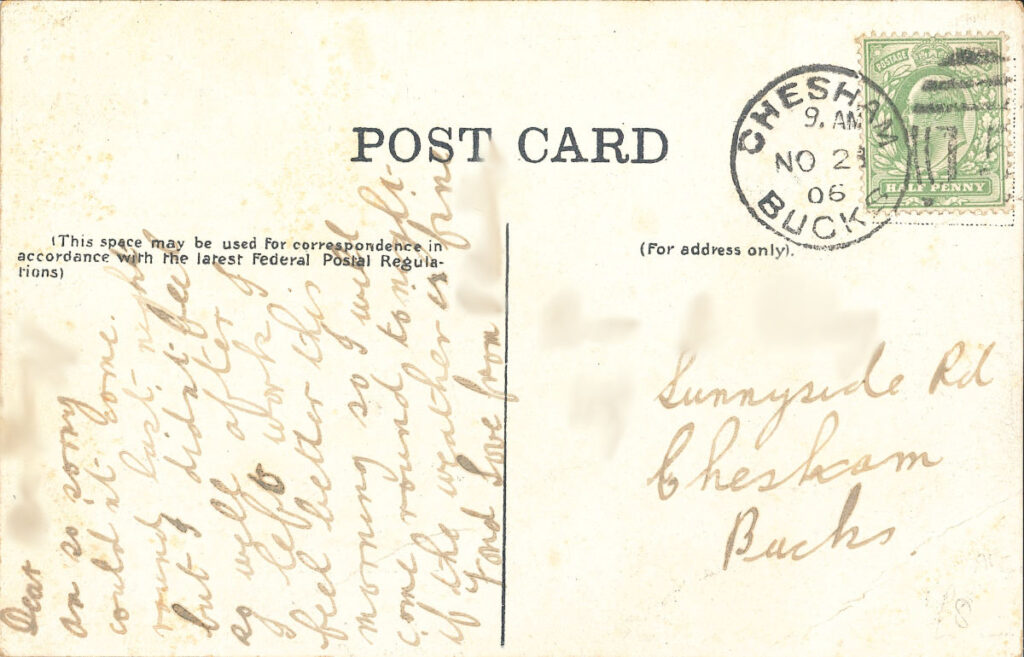
Pictured is a postcard dating from 1906, addressed to a resident of Sunnyside Road. It was discovered among a donation of tools and equipment we recently received. The message reads: “am so sorry I couldn’t come round last night but I didn’t feel so well after I left work. I feel better this morning so I will come round tonight if the weather is fine. The postcard bears a halfpenny stamp featuring King Edward VII.
Sent over a century ago, this brief note reflects a time when such messages would have been delivered by post, where today, the same sentiment might arrive instantly by text or email.
The Old Boot Factory can be seen on the right-hand side at the end of the street, identifiable by its distinctive white frontage.
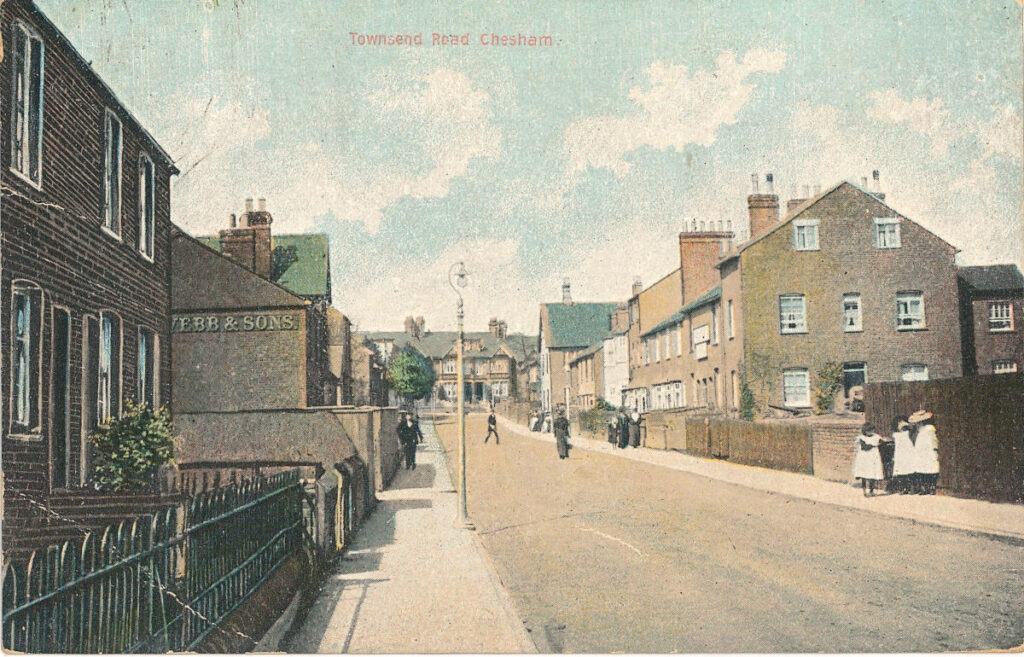
At the turn of the 20th century, Townsend Road in Chesham would have been a quiet but steadily developing part of this Buckinghamshire market town. Nestled in the Chiltern Hills, Chesham had already built a reputation for its connections to the boot-making trade, watercress beds, and small-scale industry such as brush makers and breweries. By 1906, the town, and streets like Townsend Road, sat at an interesting crossroads between rural tradition and early modern change.
Britain in 1906: Who Was King?
In 1906, the we were under the reign of King Edward VII, who ruled from 1901 to 1910. His era, often referred to as the Edwardian period, followed the long Victorian age and brought subtle but meaningful shifts in society.
Edward VII’s reign was marked by:
For towns like Chesham, this meant gradual improvements in infrastructure and living standards, but life was still far from easy for many working families.
Townsend Road in Context
While detailed street-by-street records from 1906 are limited, we can paint a reliable picture based on how Chesham developed during that time.
Townsend Road would likely have been:
Chesham itself was not yet heavily urbanised, so Townsend Road would have felt more like a village extension than a busy town centre street.
Work and Daily Life
Life in 1906 revolved heavily around work, and most likely for many residents of Townsend Road, that meant long hours and physically demanding jobs. A typical working day could last 10–12 hours, often six days a week.
Men, women, and even older children contributed to household income. It wasn’t uncommon for men to work in factories or workshops, women to take in laundry, sewing, or work in local industries and children (from age 12 or younger) to be employed or help at home.
Common occupations in Chesham included:
Pictures taken at the Old Boot Factory in 2008 when we moved in.
They show shoes, accessories and equipment left behind.
Homes and Living Conditions
Homes on Townsend Road in 1906 would have been simple but functional. You could expect coal fires for heating and cooking, no indoor plumbing in many houses, shared outdoor toilets and limited access to clean running water
Families were often large, and space was tight. A single house might accommodate parents, several children, and extended family. Neighbours relied on one another, and streets like Townsend Road would have had a strong sense of familiarity and mutual support.
Food, Shopping, and Daily Essentials
There were no supermarkets, of course. Residents would shop locally, often daily. Typical shopping baskets contained bread, cheese, seasonal vegetables (including watercress, which was plentiful in the area), and meat, usually on Sunday if affordable. Small independent shops, market stalls, and travelling vendors formed the backbone of local commerce.
Transport and Movement
By 1906, Chesham had already benefited from the arrival of the Metropolitan Railway (extended to Chesham in 1889). This was a major development and meant greater access to London, opportunities for trade and employment beyond the town and – although a luxury for many – occasional day trips.
Most people walked everywhere. Horse-drawn carts were common, and bicycles were becoming more popular.
Leisure and Community Life
Life wasn’t all work. Even in 1906, people found ways to relax and socialise. Popular activities included visiting the local pub, attending church or chapel events, community gatherings and fairs and travelling entertainers
Football and cricket were growing in popularity, and informal games would have been common in open spaces around the town.
A World on the Brink of Change
Looking back, 1906 sits just a few years before major global upheaval. Within a decade, the First World War would dramatically change life for communities like Chesham.
For the residents of Townsend Road at that time, however, life was defined by hard work, strong community ties and gradual modernisation.
It was a world where tradition still dominated, but change was quietly on its way.
Final Thoughts
Townsend Road in 1906 may not have been famous, but it represents something deeply important, a snapshot of everyday life in Edwardian England.
By understanding streets like this, we gain insight not just into buildings and dates, but into the lives of the people who shaped the community we see today.
The first logo for Workaid, a woman tilling a field watched by her child, was designed by Jean Winter.
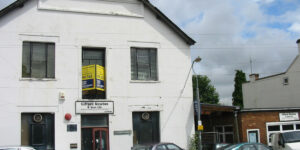
In Chesham, the Old Boot Factory, located at 71 Townsend Road, is a testament to the town’s rich industrial heritage and how it has been repurposed for community use.
| Cookie | Duration | Description |
|---|---|---|
| cookielawinfo-checkbox-analytics | 11 months | This cookie is set by GDPR Cookie Consent plugin. The cookie is used to store the user consent for the cookies in the category "Analytics". |
| cookielawinfo-checkbox-functional | 11 months | The cookie is set by GDPR cookie consent to record the user consent for the cookies in the category "Functional". |
| cookielawinfo-checkbox-necessary | 11 months | This cookie is set by GDPR Cookie Consent plugin. The cookies is used to store the user consent for the cookies in the category "Necessary". |
| cookielawinfo-checkbox-others | 11 months | This cookie is set by GDPR Cookie Consent plugin. The cookie is used to store the user consent for the cookies in the category "Other. |
| cookielawinfo-checkbox-performance | 11 months | This cookie is set by GDPR Cookie Consent plugin. The cookie is used to store the user consent for the cookies in the category "Performance". |
| viewed_cookie_policy | 11 months | The cookie is set by the GDPR Cookie Consent plugin and is used to store whether or not user has consented to the use of cookies. It does not store any personal data. |